
AI INFRASTRUCTURE CONSULTANCY
The owner's engineer for AI infrastructure.
Power, cooling, and deployment judgment for facilities built to carry AI density.
Power is the bottleneck, not silicon
McKinsey puts AI data center infrastructure spend at $5.2 trillion by 2030, with global capacity climbing from 82 gigawatts in 2025 to 219 gigawatts by 2030. Hyperscalers alone committed $660-725 billion to AI infrastructure in 2026, roughly double the year before. None of that capital moves faster than the grid allows. Interconnection queues average more than four years and run to ten in constrained markets, which means the asset every operator is really fighting over is not chips. It is permitted power.
Heat is the design constraint
A rack that draws 80kW to 140kW does not cool the way a 10kW rack did, and the industry's playbook for the last two decades assumed the smaller number. Get the thermal architecture wrong and the building writes the change orders for you, on its own schedule, at its own price. Vulcan AI exists because that architecture is not a facilities afterthought. It is the business model.
Where air stops working
Every deployment hits the same wall at a different point. Legacy racks ran 5-10kW; disciplined air containment holds to roughly 30-40kW; a modern AI training rack draws 80-100kW; a fully populated NVIDIA GB200 NVL72 rack draws 120-132kW. Past the low end of that range, air is not an efficiency problem to optimize. It is a ceiling. Vulcan AI tells you exactly where your site sits on that curve before you commit capital to the wrong side of it.
The fastest capacity is capacity that already has power
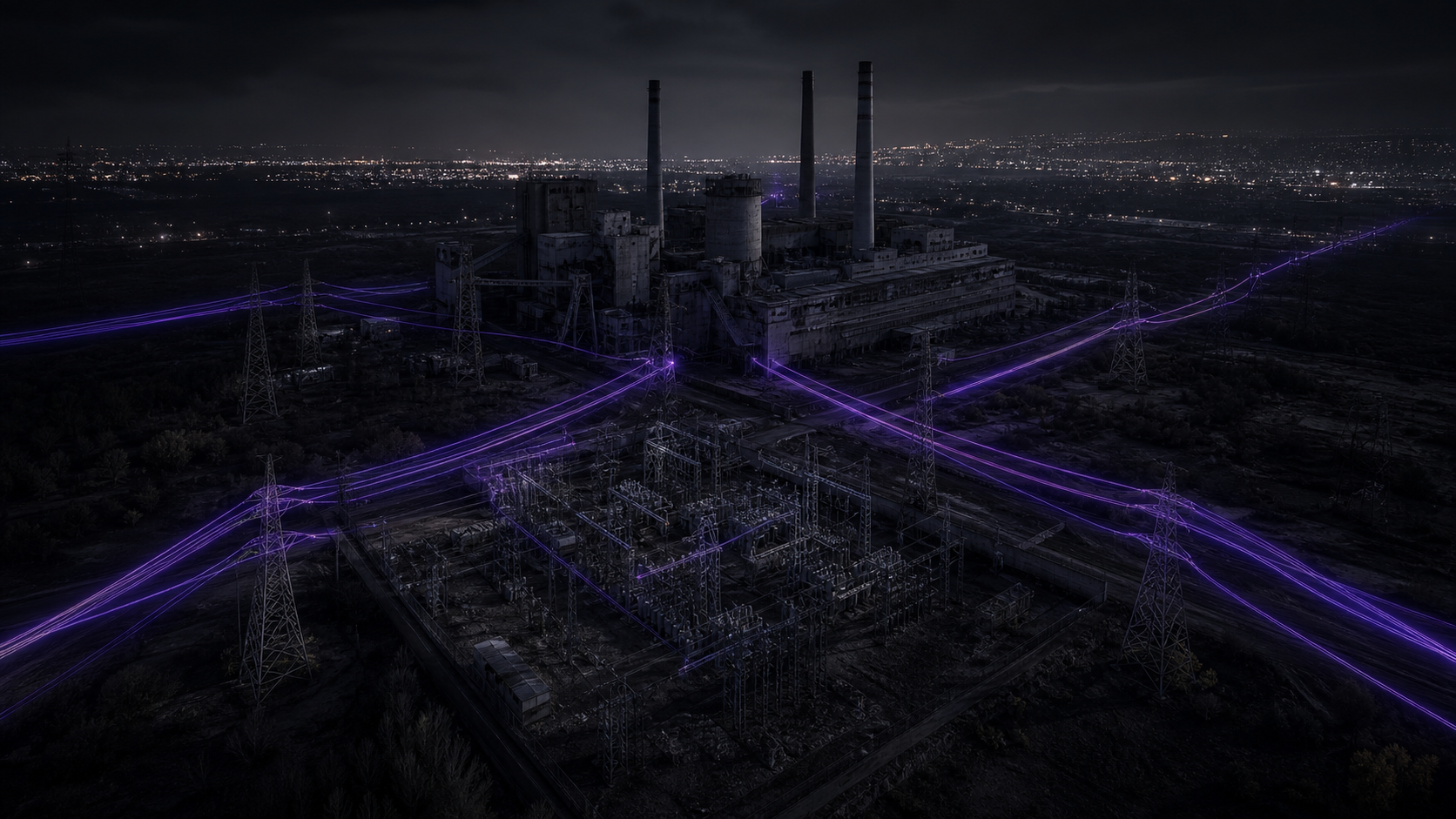
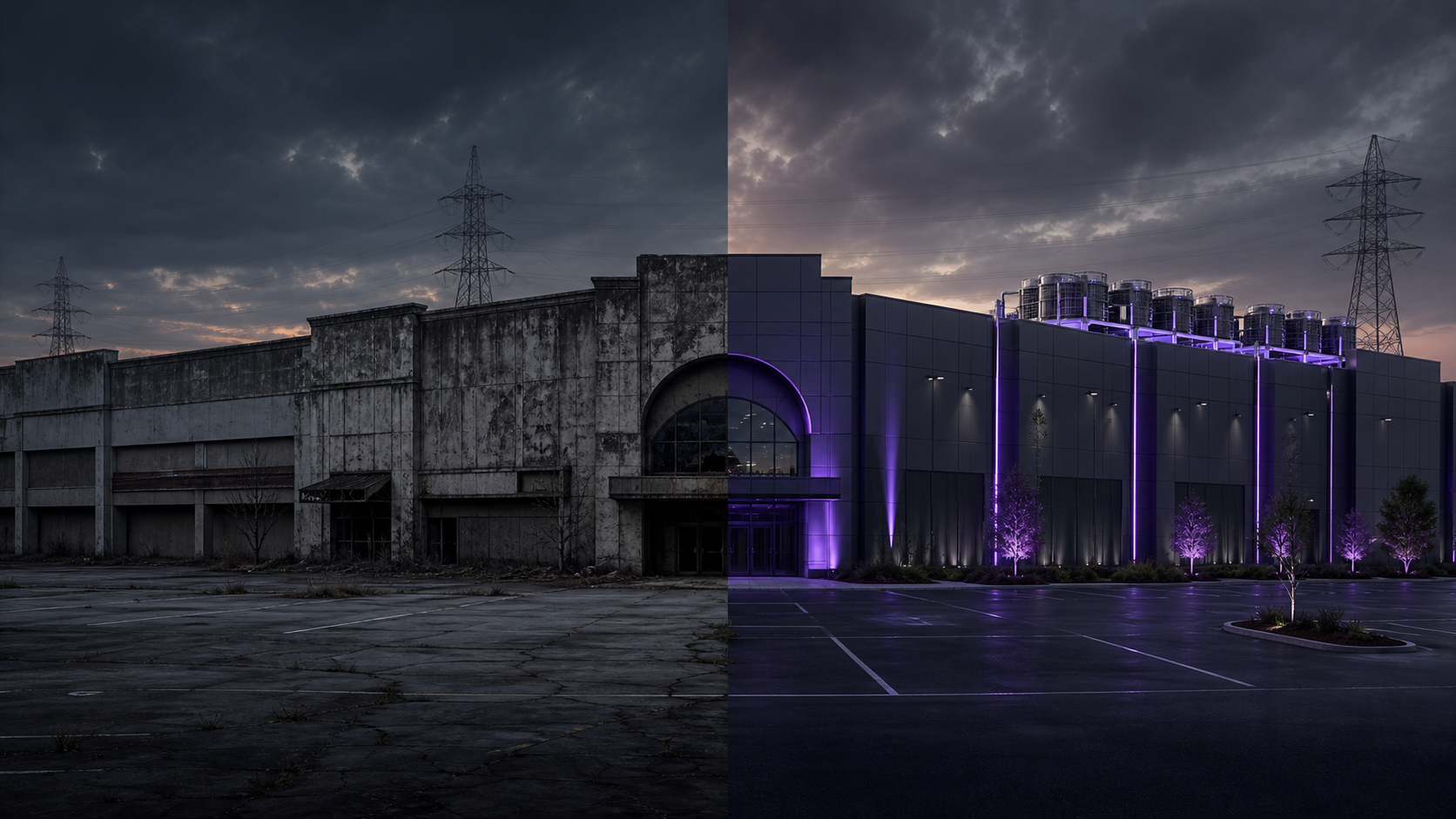
New grid interconnection is the one input in this industry that cannot be bought faster. Industrial sites that already went dark, retired coal plants, closed mills, dead malls, frequently kept their interconnection agreements, substations, and permits. Acquire the site, keep the power, retrofit for liquid-cooled AI density, and first load arrives in 12-18 months instead of the 36 a greenfield build requires. It is already happening.
Four engagements, one side of the table
Vulcan AI works only for the owner: the AI Data-Center Readiness Assessment, the Liquid-Cooling Design Review, Retrofit Site Acquisition Advisory, and Deployment Oversight. Each stands alone. Together they cover a project from first feasibility question to energized load, with one engineer accountable throughout.
Next step
Start with the readiness assessment
Most engagements begin with a two-week audit of what your site can actually support. See the full service catalog or send the details directly.
Transformation
Useful power is already standing.
Compare an overlooked industrial shell with its engineered future.
The thesis in 75 seconds
AI infrastructure is a thermal problem first.
Ask Vulcan